
Navigate Initiative
October 6, 2026
October 2026
The five minute walk
The walk from the Navigate unit to the parole board rooms takes a good five minutes. But when one of the men recently made it on his own, to a meeting he had booked himself, it was a first for the unit.
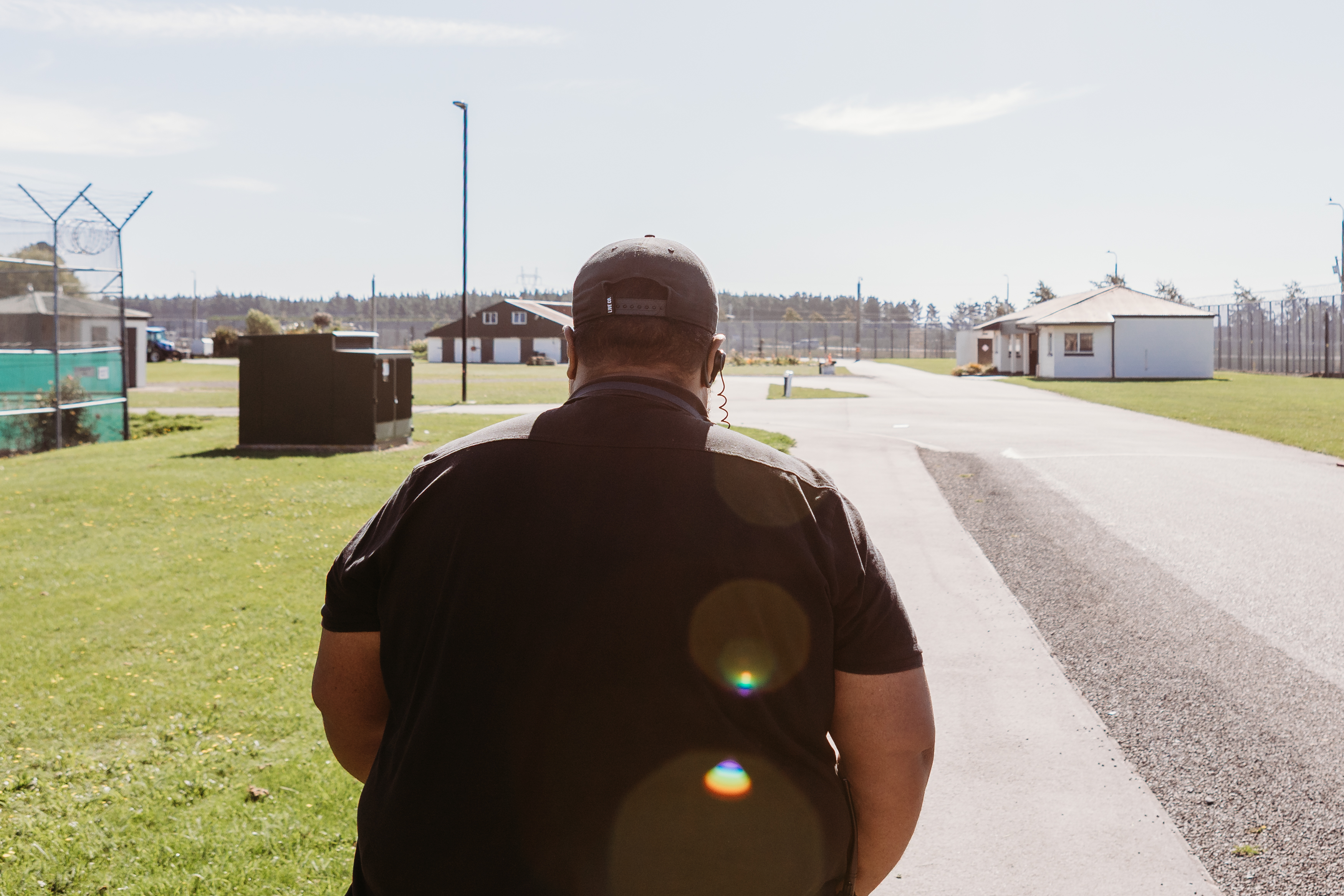
Most of reintegration is small skills: making an appointment, keeping it, getting yourself there. Uelese, NI Unit Lead, wanted the men practising those long before release day. The relationship with their case manager seemed the right place to start.
He took the idea to one of the prison's Principal Case Managers, who had been sitting on a version of it since before COVID. Now a Tū Ora messages his case manager directly, proposes a date and time, and on the day walks himself to the whānau room for a catch-up with no agenda. The Principal Case Manager wanted it casual enough for a cup of tea and a biscuit. In prison, a man does not simply decide to go somewhere and walk there. Movement is scheduled, supervised and signed off. Making this walk possible took real work from security, custody and case management. "It hasn't just been a quick email and a green tick," Uelese says.
The first man approved for a catch-up had spent years saying he never saw his case manager. Even so, booking the meeting took him nearly three weeks. To start with, he fell back on the old routine. He would take a seat in the unit office and announce that he was free on a certain day, at a certain time, then wait for the staff to pass it on to his case manager. Uelese kept handing it back to him, "You don't need me for that. You message him”.
Those three weeks were not a hold-up. They were the point. Prison decides almost everything for a man, every day, for years. Then release comes and everything is suddenly his to decide, all at once, with no practice behind him. Sending one message might look small. It was the first thing in a long time that was down to him and no one else.
He got there. What stayed with him was the room, more lounge than interview room, and how much easier it was to talk in. And he was stoked, Uelese says, that he had made the meeting happen himself.
It is a small rehearsal for the real thing. Out in the community, no one books a man's probation check-ins for him. He gets himself there, or he does not. "It gives them purpose," Uelese says. "They're making decisions for themselves and taking themselves to that catch-up." And when a parole hearing comes around, he and his case manager walk in already knowing each other.
For now it is one man at a time. Each books the meeting himself, writes it in his diary, and makes the walk alone. Five minutes, and entirely his.
Names have been changed.


