Pathway Affordable Housing
June 22, 2026
June 2026
Not just ticking boxes
The house was untidy. By most property management standards, that's where the conversation would have ended.
But Alison, Pathway's Property Coordinator, noticed something else. The tenant was usually tidy. She'd been unwell recently, and she seemed unsettled. So Alison asked how she was doing.
What followed wasn't a breach notice. It was a conversation. The tenant opened up about her anxiety, about the new occupant moving into the front unit, about feeling on edge. The untidy house started to make sense.
"It's not just ticking boxes," Alison says. "It's finding out the why."
Pathway's primary goal is to keep people in their homes. So when something looks like a breach, the first step isn't enforcement. It's curiosity.
After that inspection, Alison connected the tenant with Pathway's wellbeing team, who arranged a follow-up visit. The next inspection would tell them more. No breach was issued. The concern hadn't been set aside. The cause had been found.
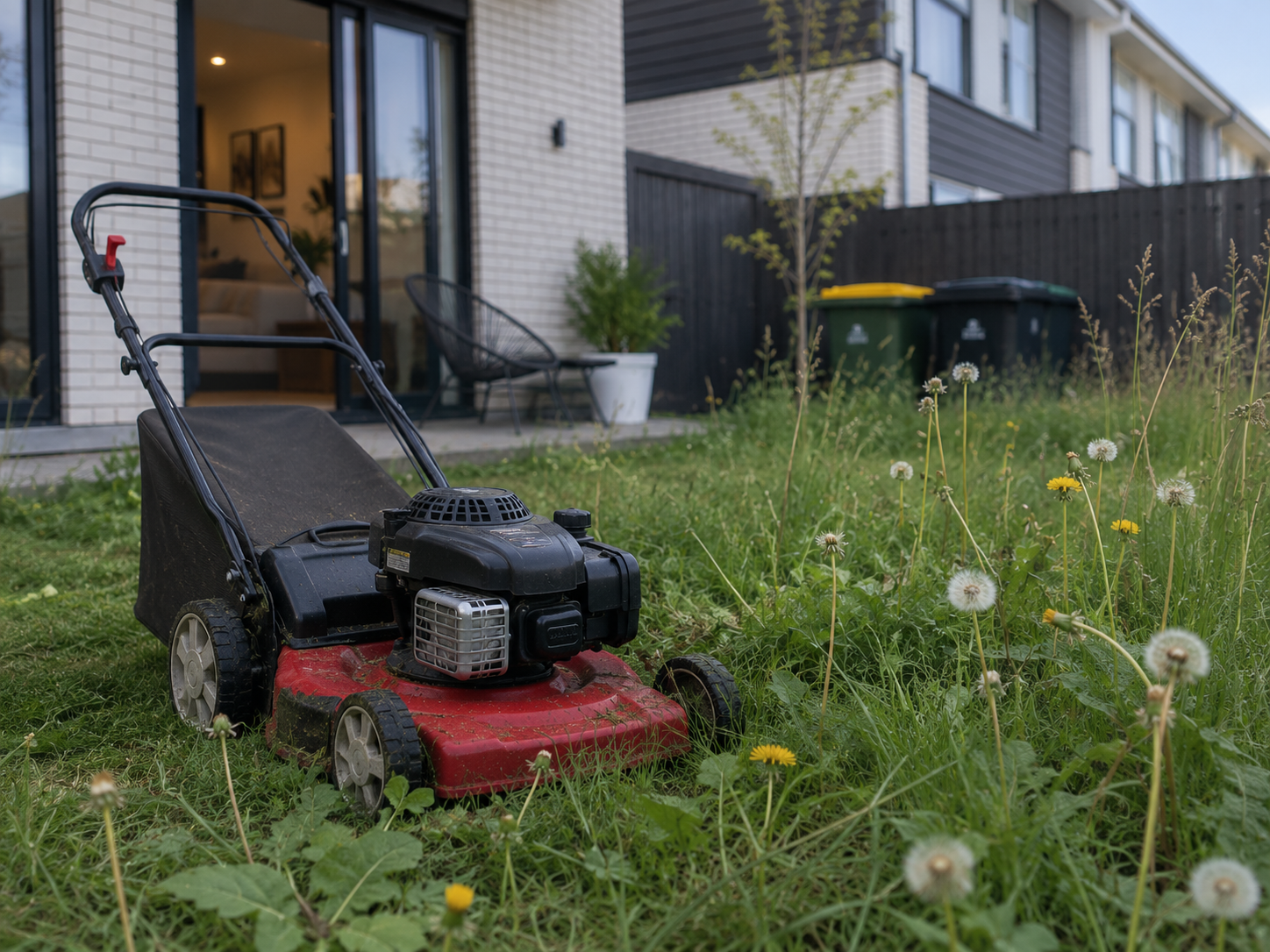
The approach plays out differently each time. Another tenant had let her lawns grow to knee height. A standard response would have been a formal notice. Instead, Alison asked why. The tenant didn't own a mower and couldn't afford one.
Pathway contacted Eco Shop and sourced a push mower for ten dollars. It stays at the property for the tenant to use, and returns to Pathway when she leaves. The lawns are maintained. A skill has been learned. The tenancy continues.
"We do a lot more than we have to in property management," Alison says. "But we do it because we care about our tenants."
Many of Pathway's tenants have faced significant obstacles before they arrive. Some are working through mental health challenges. Some are learning how to run a household for the first time. Some are simply going through a rough stretch. The work is figuring out which, and responding accordingly.
The tick-box version of property management is faster. It is also, more often than not, the reason people end up without a home.
Names have been changed.